

Glass Bead Blasting Media
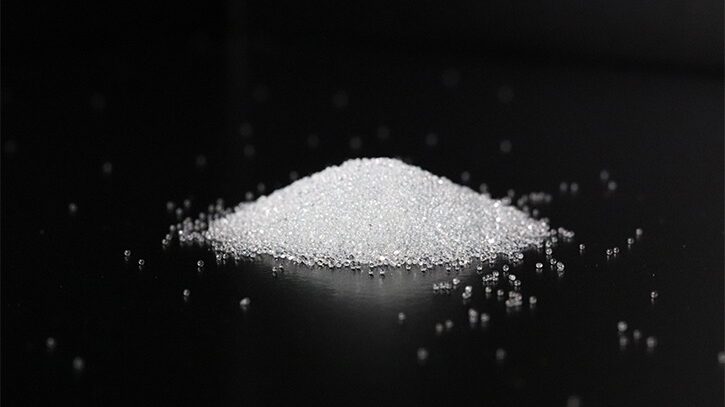
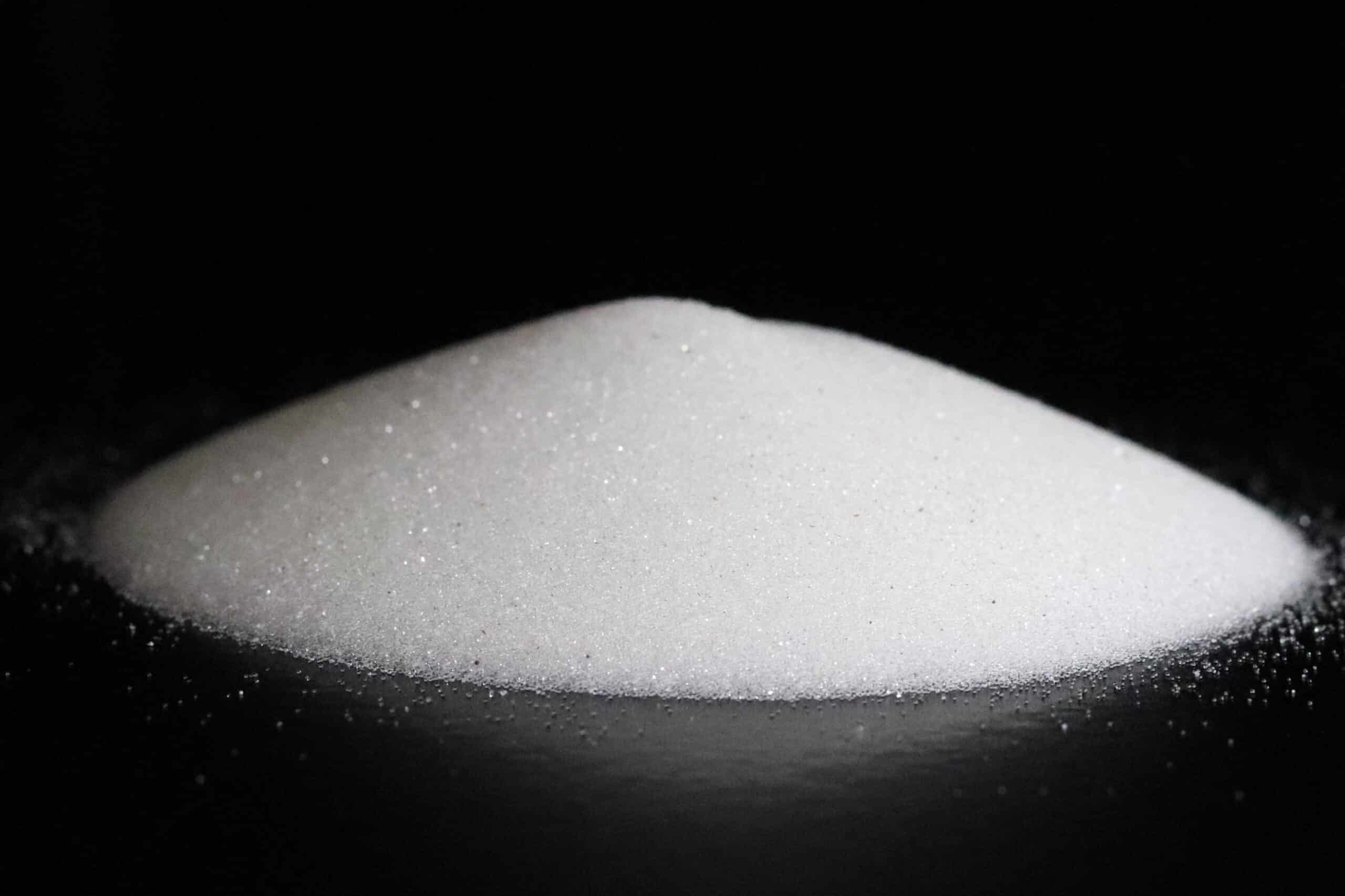
Glass bead blasting media is used when surface appearance, dimensional control, and consistency matter. Sometimes referred to as glass bead abrasives, this media is commonly selected to clean and finish parts without cutting or aggressively removing base material, making it ideal for cosmetic finishing, light peening, and applications where part integrity is critical.
Because glass beads are spherical, they clean, finish, and lightly peen surfaces rather than cutting into them. The result is a smooth, uniform satin finish that helps preserve part geometry and surface integrity. This makes glass bead blasting media a reliable choice in maintenance, manufacturing, and finishing operations where repeatability and process control are essential.
Why Glass Bead Blasting Media Size Matters
Glass bead media size directly impacts finish appearance, cleaning efficiency, and peening intensity. Selecting the wrong size can lead to inconsistent finishes, longer cycle times, or unnecessary surface stress. Proper glass bead sizing helps control finish consistency, process repeatability, and surface characteristics.
- Smaller glass beads – Produce finer, more uniform finishes
- Larger glass beads – Increase surface impact for cleaning and peening
To support a wide range of applications, SurfacePrep offers glass bead blasting media in mil-spec and commercial grades, with available sizes including:
14/40, 20/50, 30/60, 40/80, 50/100, 60/120, 70/140, 80/200, 100/230, 120/325, 140/400
Glass Bead Abrasive Blasting Media
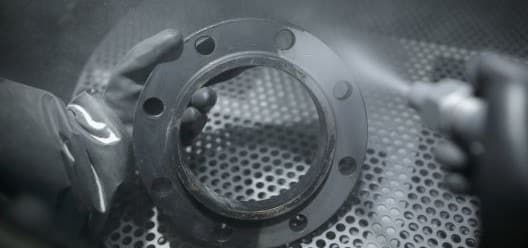
Glass beads are versatile abrasive blasting media that excel in general maintenance and blast cleaning processes, effectively cleaning workpieces with minimal surface removal. Their spherical shape supports a slow breakdown, allowing for repeated use in applications like peening and a seamless four-step process—cleaning, finishing, peening, and deburring. This unique composition imparts a controlled, bright satin finish on metallic surfaces, distinguishing them from other abrasives. Glass beads provide diverse surface finishing and cosmetic textures without leaving any contamination or residue, thanks to their chemical inertness.
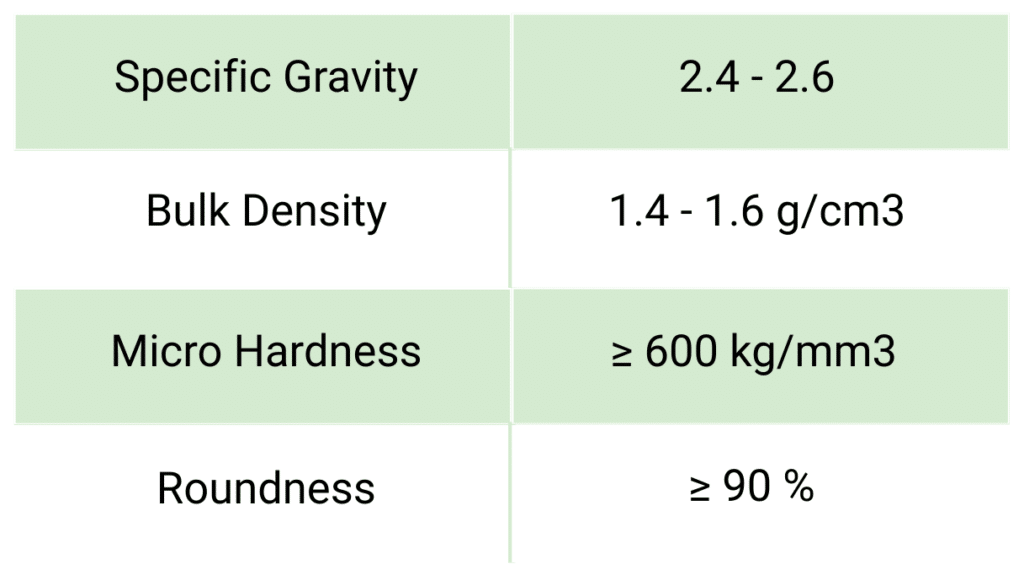
Specifications
Grade Available: 14/40, 20/50, 30/60, 40/80, 50/100, 60/120, 70/140, 80/200, 100/230, 120/325, 140/400
Glass Bead Blasting Media Features & Benefits
- Non-cutting, spherical particle shape
- Minimizes material removal and helps maintain dimensional integrity when properly controlled.
- Uniform, consistent surface finish
- Ideal for cosmetic and satin finishes on aluminum, stainless steel, and other metals.
- Low breakdown rate compared to angular media
- Supports multiple reuse cycles and predictable blasting performance.
- Chemically inert
- Will not contaminate surfaces or leave embedded residue.
- Mohs hardness: approximately 5-6
- Hard enough to remove surface contaminants while remaining gentle on critical parts.
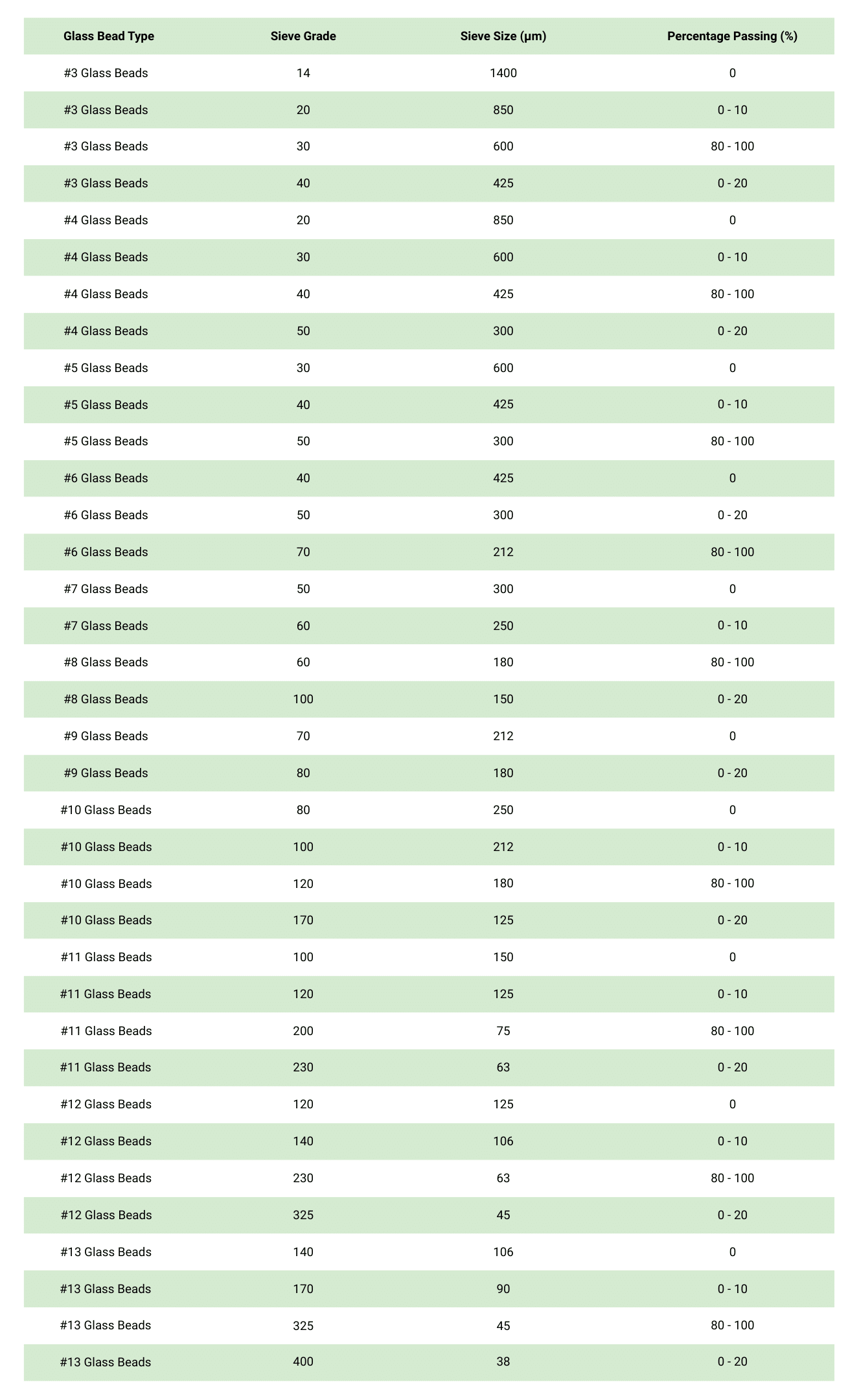
Typical Sieve Analysis
Applications for Glass Bead Blasting Media
Glass bead blasting media is commonly used in applications where maintaining surface integrity and finish appearance is critical, including:
- Cleaning parts without significant material removal
- Cosmetic and satin finishing of metal components
- Deburring while maintaining part geometry
- Surface preparation prior to coating, painting, or anodizing
- Light peening applications to improve surface characteristics
Glass bead blasting is widely used across aerospace, automotive, medical, fabrication, and MRO industries where consistent, repeatable results are required.
Frequently Asked Questions About Glass Bead Media
1. What is glass bead blasting used for?
Glass bead blasting is used to clean, finish, and lightly peen surfaces while minimizing material removal. It is often selected for cosmetic finishing and applications where dimensional change must be tightly controlled.
2. Does glass bead size affect the surface finish?
Yes. Finer glass bead sizes generally produce smoother, more uniform finishes, while larger sizes provide increased cleaning energy. Selecting the right size helps control finish appearance and overall process efficiency.
3. Can glass bead blasting media be reused?
Glass beads typically break down more slowly than angular abrasives and can be recycled through multiple blasting cycles, depending on application parameters, pressure, and contamination control.
Learn About Our Suppliers


Glass Bead Blasting Media FAQ